| Previous
Page |
PCLinuxOS
Magazine |
PCLinuxOS |
Article List |
Disclaimer |
Next Page |
You Don't Own That Game (And That App On Your Phone? Yeah, You Don't Own That Either) |
|
Hazem Abbas MEDevel.com Reprinted with permission 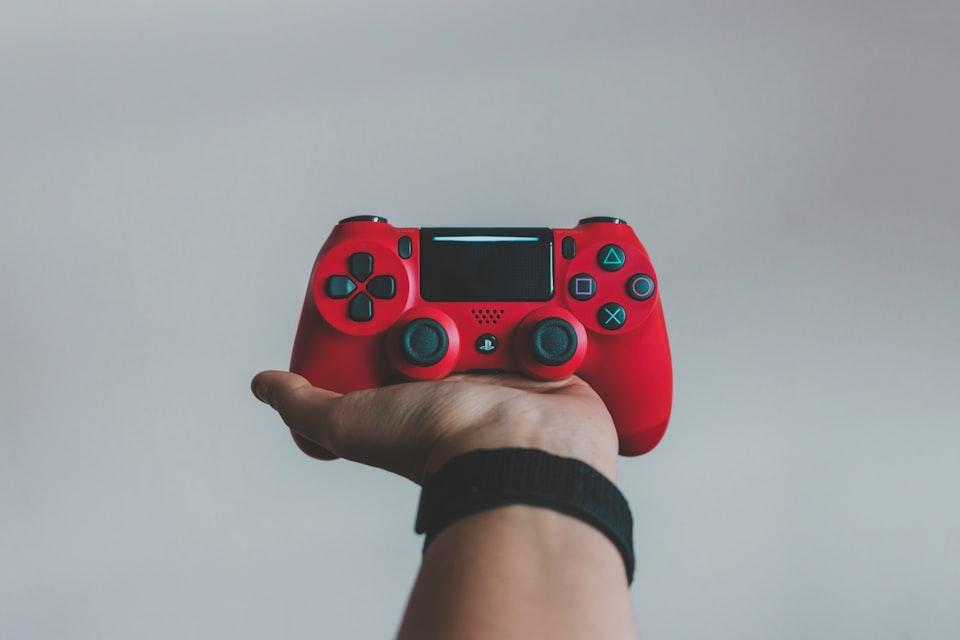 Let's talk about that sinking feeling. You boot up your library, ready to revisit an old favorite, and it's just … gone. Not corrupted. Not lost. Erased. By the company you paid. That's not a glitch; that's the new reality of digital ownership, and it just blew up into a full-blown war.
Remember The Crew? That open-world racer you might have dropped $60 on? Ubisoft didn't just shut it down; they reached into your digital locker and deleted it. Servers went dark on March 31, 2024, rendering the game unplayable. But then, the kicker: they started revoking licenses and removing the game from players' Ubisoft Connect and Steam libraries entirely. You paid full price, and poof, your “purchase” vanished. This wasn't a technical hiccup; it was a corporate policy in action. This nuclear move sparked outrage and a class-action lawsuit filed by two California gamers. They argue Ubisoft violated consumer protection laws by making the game permanently inaccessible after purchase. Ubisoft's response? A cold splash of reality: players never owned the game. They had a “limited license” to access a service, and that service has ended. They've filed motions to dismiss the lawsuit, doubling down on the idea that you don't have ownership rights over your digital purchases. Essentially, they're saying, “You bought a ticket to a theme park, and when we decide to bulldoze the park, the ticket is worthless.” This ignited a firestorm. Gamers worldwide realized the uncomfortable truth: buying a digital game, movie, song, or even software often means you're just renting access, governed by lengthy Terms of Service you never read. The fundamental rights we associate with ownership, like ongoing access, the ability to lend it to a friend, or resell it, are almost always stripped away in the digital realm. The traditional model of ownership has been replaced by restrictive licensing agreements.
Enter Stop Killing Games (SKG). What started as a reaction to The Crew's demise, has snowballed into a global movement. Their petition, demanding new EU laws to prevent publishers from remotely disabling games consumers have paid for, has now gathered a staggering 1.4 million signatures. Yes, you read that right. 1.4 million people screaming, “We paid for this, it should be ours!” The European Commission is now reviewing the petition. If validated, it could lead to legislative proposals protecting digital ownership rights and ensuring game preservation. Even a Vice President of the European Parliament has voiced support, calling for laws to prevent the permanent shutdown of purchased digital games. This is no longer just a gamer issue; it's a consumer rights battle for the digital age. Ubisoft's CEO, Yves Guillemot, responded not with empathy, but with corporate logic: “Support for all games cannot last forever”. He framed online games explicitly as a service that will inevitably end. “You provide a service, but nothing is written in stone and at some point the service may be discontinued. Nothing is eternal,” he stated. It's a brutally honest, yet deeply unsettling, admission of the industry's current model. But is that acceptable? Should paying $70 for a game really mean you're just subscribing to a temporary service with no guarantee of longevity?
Think about that expensive photo editing app you bought. The music library you built on iTunes. The e-books filling your digital shelf. In almost all cases, you don't own these. You've purchased a license to use them under specific, often changeable, terms. The company can alter features, sunset support, or, in extreme cases, potentially restrict access. The rights encompassed by true ownership, ongoing access, availability, resale, are largely aspirational for digital content. The shift from owning physical media to accessing digital content has quietly eroded consumer rights.
Wake Up & Read the Fine Print: Understand that “Buy Now” usually means “License to Access.” Those Terms of Service are the contract. Pay attention to clauses about service lifespans and license revocation. Vote With Your Wallet (and Your Voice): Support developers and publishers who champion longevity, offline modes, and modding communities that can preserve games. Boycott companies that engage in predatory delisting practices. Join the Fight: Sign the Stop Killing Games petition if you're an EU citizen. This movement is our best shot at forcing legal recognition of digital ownership rights. Share it. Talk about it. Make noise. (Editor's note: the petition has closed, but you can review the petition page here.) Demand Transparency: Companies should be crystal clear about the lifespan of online services and what happens to your purchase when they end. No more burying this in legalese. Consider Physical (When Possible): For games that offer it, a physical copy, even if it requires online activation, often feels like a more tangible asset, though even this isn't foolproof anymore.
I believe, if a company permanently kills a product you paid full price for — like Ubisoft did with The Crew — they owe you a refund. You didn’t buy a temporary service; you were led to believe you owned a game. Taking it away without compensation is no different than selling a car and then remotely bricking its engine. Charging $70 for access to a finite, non-guaranteed experience without refund options is deceptive. Consumers deserve transparency and recourse. If the product vanishes, the money should come back, ownership means something, or it means nothing. Companies profiting from digital sales while dodging long-term responsibility is unethical. Refunds aren’t generosity; they’re justice. The battle for digital ownership is just beginning. Ubisoft drew a line in the sand with The Crew. The players responded with a petition of historic scale. The EU is listening. The question is no longer if we need to redefine ownership in the digital world, but how. Will we accept being perpetual renters in a world we've paid to access? Or will we fight for the right to truly own the digital things we buy?, and I’ve replaced them The servers may shut down, but the fight for our rights is just powering up.
Medevel.com is a restart of an old project Goomedic.com when we used to blog about medical/ healthcare related open-source projects. The writers are medical doctors also doing software development, as well as open-source enthusiasts and Advanced Linux users. Medevel.com is writing articles about open source with a primary focus on medical, science projects. Medevel.com is on a mission to promote open source to healthcare sector users like doctors, nurses, healthcare IT specialists, open-source community, researchers. Medevel.com's team is writing about visualization, medical imaging, lab-ware, medical records (EMR, EHR), clinical practice management software, digital pathology, medical simulation, & data analytics apps. Medevel.com is focusing on:
Authors Hamza Mu: A physician with programming skills, Linux user since late 1990s, Open-source supporter. He is also a former PCLinuxOS user. Desoky Mo: A physician interested in Open Source, programming, machine learning, AI and technology in general. M.Hanny Sabbagh: Computer science and engineering graduate, with an on-going M.Sc in computer science. Founder of FOSSPost.org. An open-source software developer and technical writer for more than 10 years. |